
Breathe in the heart of unspoiled nature. Forests, ponds, wildlife and trails offer ideal terrain for hiking, cycling, photography and birdwatching.
Forest trip
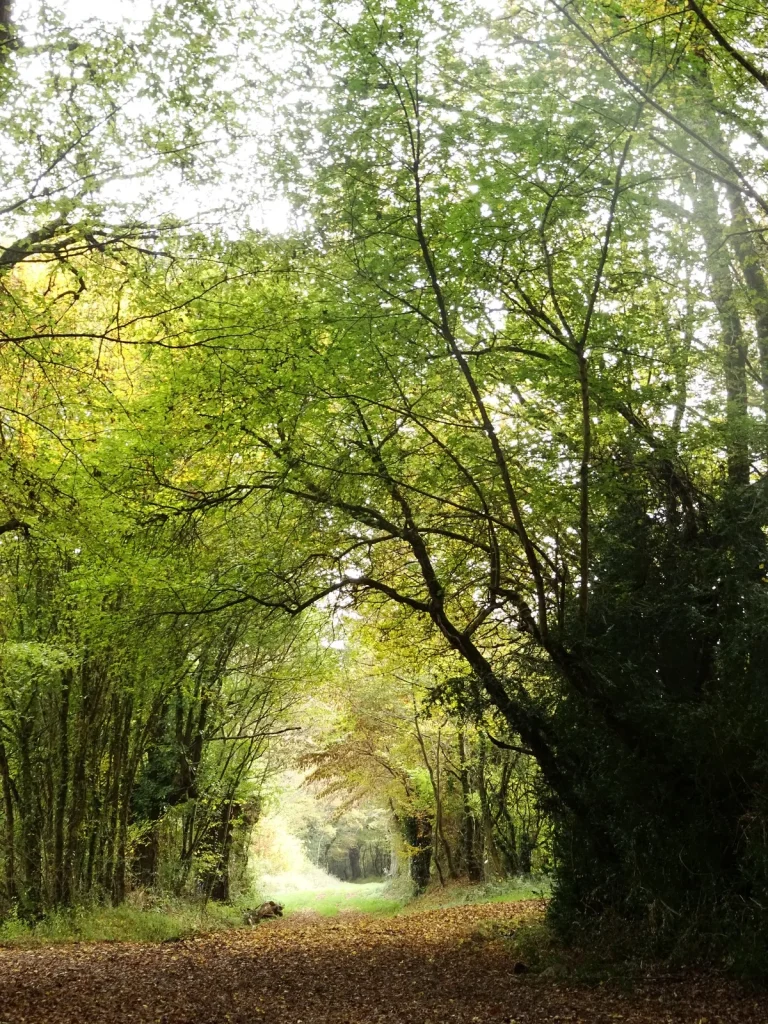
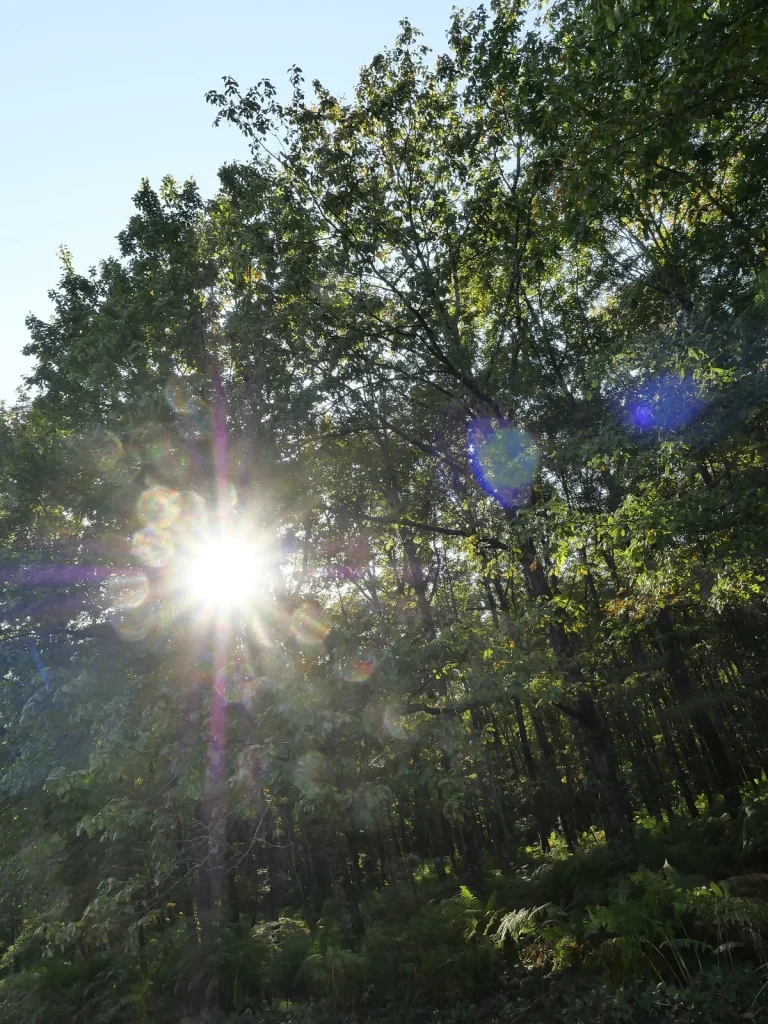
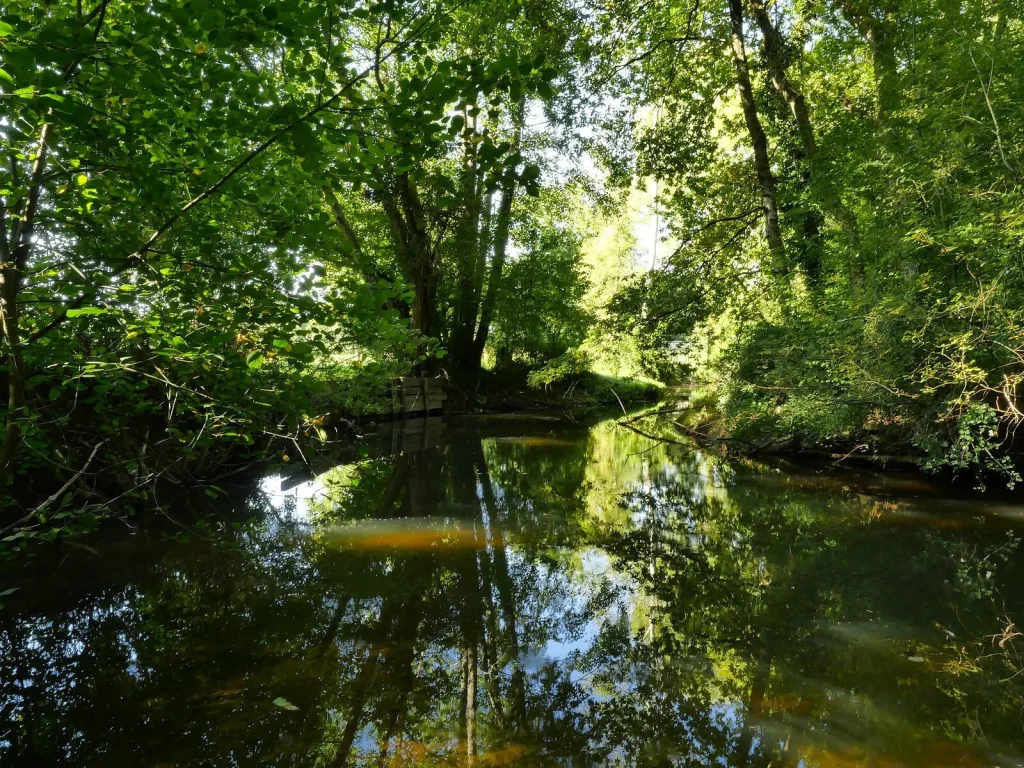
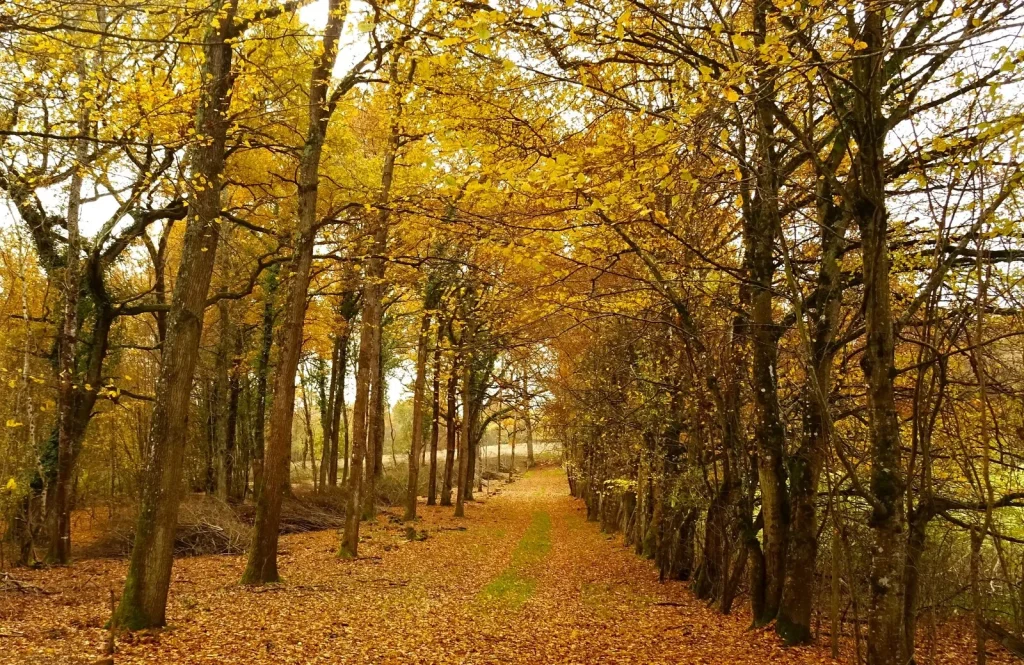
Fancy getting back to nature? Go explore the forests of SologneBetween shaded paths, hidden ponds and unspoiled landscapes, on foot or by bike, take the time to listen to nature, observe the wildlife and enjoy the calm of the undergrowth.
As the seasons change, the forest changes colours and atmosphere: an invitation to slow down, breathe and simply enjoy the moment.
Where am I allowed to walk?
- On private property, with permission
- In state forests, respecting the law and vehicle traffic rules.
The Hunt
Caution should be exercised when dealing with hunters and animals.
Find out about the hunting day on which you want to walk, prefer non-hunting days, be visible, moderate your speed if hunting is indicated by signs.
A dog must be under the control of its owner. It must either be kept on a leash or obey recall commands – voice, whistles, etc. Special attention should be paid to young deer, which are highly vulnerable from May to June. During this period, keeping a dog on a leash is strongly recommended.
Hunting does not prohibit public access, but rules of courtesy and safety must be followed.
Game
Big game, wild boar, roe deer and red deer, live alongside small game, hare, rabbit, partridge, pheasant and duck.
The Deer’s Bellow
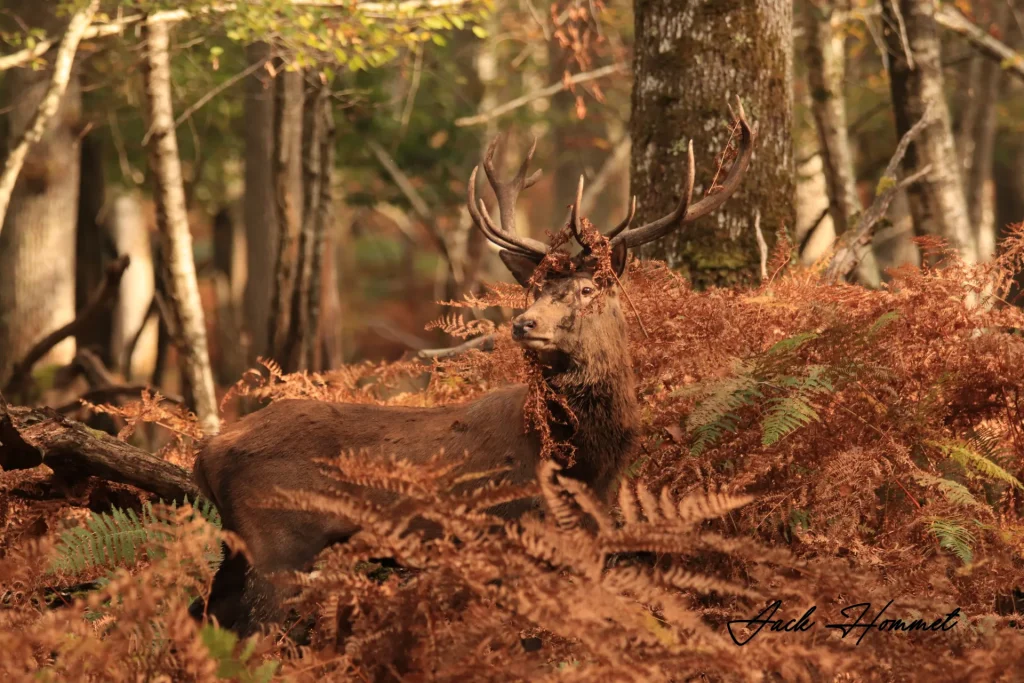
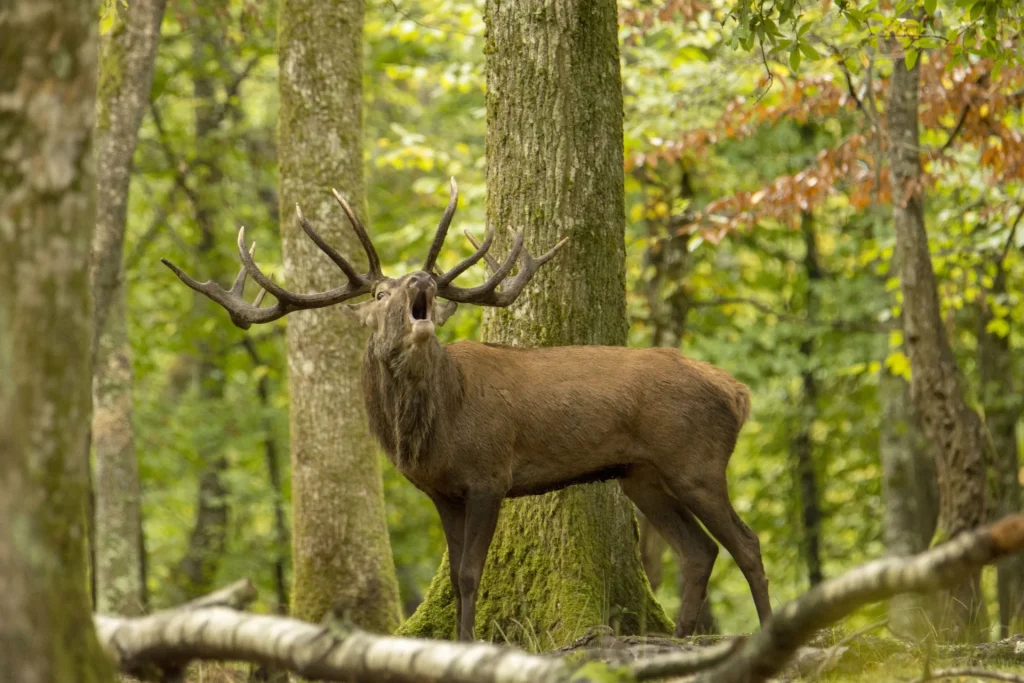
With the arrival of autumn, the forest resounds with a powerful and deep cry: the roar of the deerFrom mid-September to mid-October, in the heart of the mating season, stags make their voices heard to attract does and assert their presence against their rivals.
At dusk or in the first light of dawn, listen closely… In the silence of the Sologne forests, hearing the stag's bellow is a striking, almost mysterious experience.
To preserve the animals' tranquility, stay on the paths, keep your distance, and favor the accompanied outings : a beautiful way to experience this natural spectacle without disturbing the wildlife.
Period
It varies from year to year depending on the biotope and the weather, but mainly between September 15th and October 15th.
Precautions
- Respect traffic restrictions
- Respect private property, ask the owner for permission
- Do not approach for safety reasons
- Respect the peace and quiet of the animals
Listening Places
Wherever deer are present, the animals' tranquility is important during this busy period for them. Promote rutting grounds such as clearings, meadows, and open areas.
Mushroom picking
What are the main edible mushrooms?
Porcini, chanterelles, hedgehog mushrooms, and black trumpets are among the mushrooms that can be found in the forests of Berry and Sologne. After a few days of rain followed by milder weather, they appear along paths, under oak trees, among dead leaves, or in moss.
Mushroom picking is also a wonderful opportunity to discover the forest in a new way, its colors and scents. But don't just fill your basket haphazardly! Never eat a mushroom if you're not certain of its identification , and if in doubt, have your harvest checked by a specialist.
And above all, pick in moderation to preserve this little treasure of our undergrowth.
Which mushrooms are poisonous and toxic?
Don't be fooled by appearances!
Colorful, elegant, sometimes very similar to their edible cousins… some mushrooms in our forests are hiding their true nature.
In the undergrowth of Berry and Sologne, caution is essential. Among the toxic or dangerous mushrooms that may be encountered in our regions are the death cap , potentially fatal, the fly agaric , recognizable by its emblematic appearance, but also the Satan's bolete, the livid entoloma, the yellowing agaric, and certain clitocybes and small lepiotas.
The main danger comes from confusion with edible species: an amanita can be mistaken for a lepiota, a toxic bolete for an edible bolete, or certain orange mushrooms for chanterelles.
The golden rule: if in doubt, don't eat! Never rely solely on a photograph or an app to identify your harvest. Have the mushrooms checked by a pharmacist or mycologist and store different species separately.
In the forest, observe, photograph… and leave where you find mushrooms you don’t know: even if toxic to humans, they fully participate in the life and balance of the forest.
The Commandments of the Good Gatherer
• He gathers what he needs for his consumption
family size, or the capacity of a 5-litre bucket
maximum per household;
• He respects the signs regarding
parking of motor vehicles;
• He parks his vehicle at the entrance to the forest and respects the roads closed to public traffic;
• He requests permission from the owner of private property;
• He avoids trampling the undergrowth because this kills the mushrooms by eliminating the mycelium;
• He avoids entering the seedlings and plantations;
• He carefully picks the mushroom by cutting the stem with a knife, above the ground;
• He inquires about edible mushrooms
and check with the mycological society or a pharmacist if he has the slightest doubt;
• It does not destroy dangerous fungi ;
• Mushrooms and trees together constitute the forest ecosystem;
• He respects the place, the animals, the fences and the flora ;
• He leaves no litter in the forest and does not light a fire;
• He carries the mushrooms he has picked in a basket
by avoiding mixing them.
Our selection of places in the heart of the forest
Discover our selection of must-see and hidden gems, where the forest reveals itself in all its facets. So many places to explore at your leisure, whether for a stroll, a contemplative break, or a breath of fresh air!


